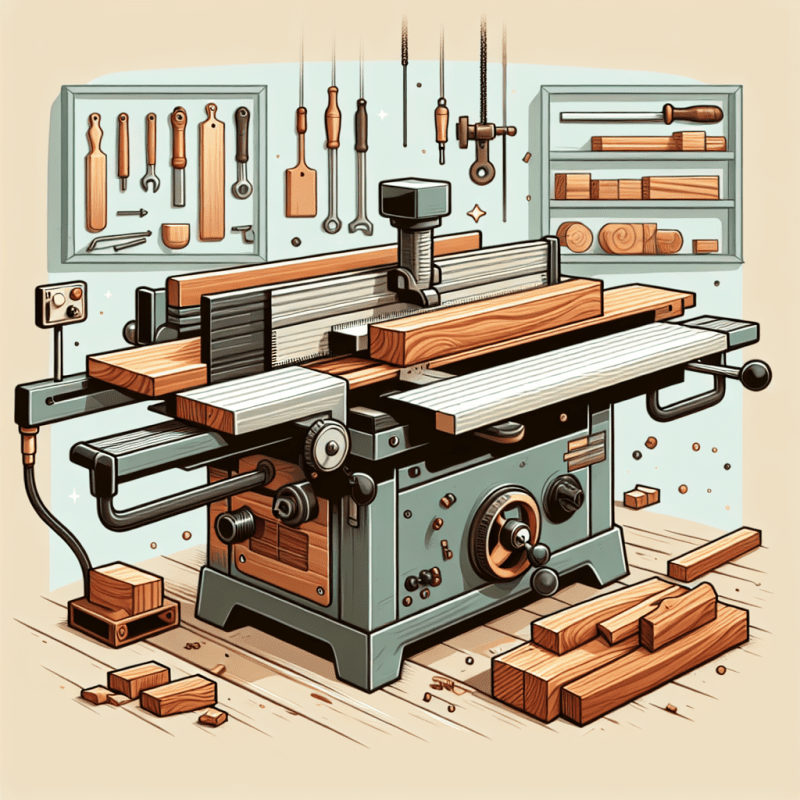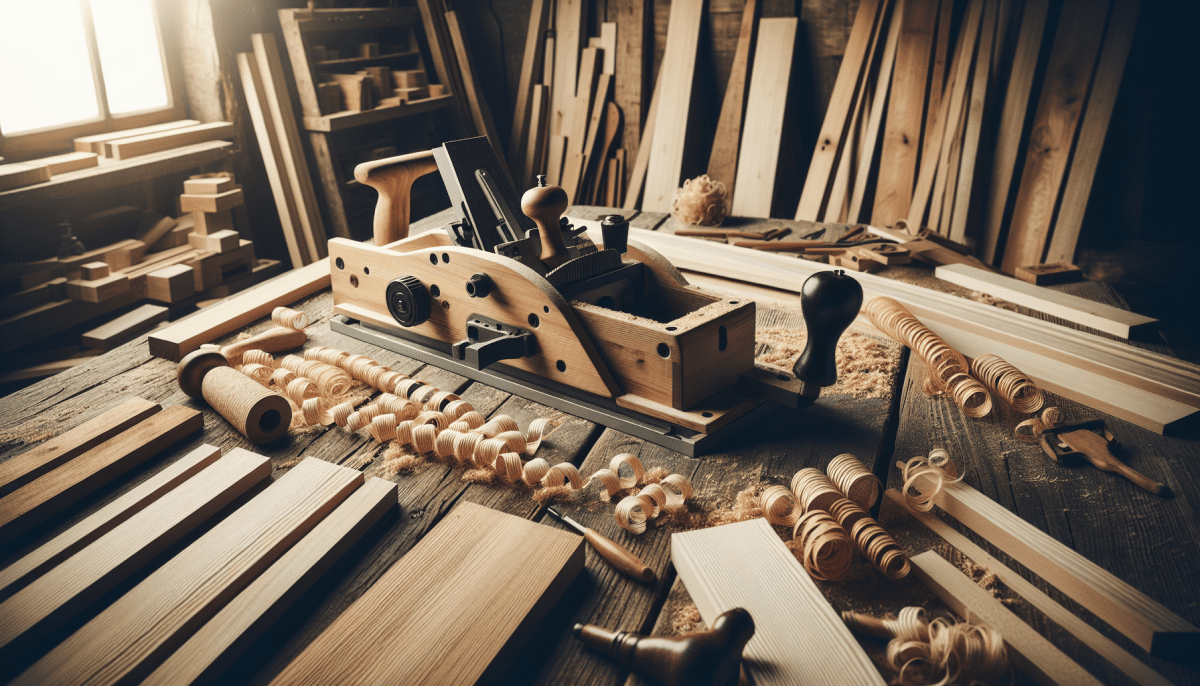
Whether you’re a newbie or a seasoned pro, there’s a planer out there that fits your needs perfectly. Beginners often appreciate compact and easy-to-use models. These planers are lightweight, simple to operate, and perfect for small projects. They help you get that smooth finish without overwhelming you with features you might not need just yet.
If you’ve got a bit of experience under your belt, you might want to invest in a mid-range planer. These typically offer more power and features, giving you better control over your work. You can tackle various materials and even take on bigger projects. Plus, many offer depth adjustments, making it easier to achieve the finish you crave.
For those who really know their stuff, high-end planers offer the best performance. They come packed with advanced features, like larger cutting widths and more powerful motors. This means you can plane larger pieces of wood efficiently and with precision. If you’re serious about your woodworking, a premium planer can elevate your creations to a whole new level.
Choosing the right planer comes down to your skill level and what you want to achieve. It’s all about finding that sweet spot where the tool meets your needs. With the right planer, you’ll get smoother, more polished results, regardless of whether you’re just starting out or have been building for years.
Choosing the Right Planer
Power matters, too. A good planer needs to have enough horsepower to tackle your projects without bogging down. Look for models with at least 10 amps for solid performance, especially if you're working with tougher woods. Don't forget about the cutting width; if you’re working with larger boards, a wider width makes the job faster and easier.
Portability can also be a game-changer. If you work in different spaces or don’t have a dedicated workshop, a lightweight and compact model is a smart choice. Many planers are easy to transport without sacrificing power. Just make sure it also fits nicely in your tool storage.
Finally, read some reviews! Hearing from other woodworkers can give you insight into how a planer performs in real life. Look for customer feedback about durability, ease of adjustment, and any quirks the tool might have. This info can steer you toward the right choice for your specific needs.
Tips for Getting Started
Getting started with woodworking and planers can feel a bit overwhelming, but it doesn't need to be. Here are some practical tips to kick off your journey. First up, always read the manual of your planer. It might seem boring, but it’s packed with helpful info on setup and safety.
Next, start with the basics. Familiarize yourself with the machine and its parts. Spend some time adjusting the depth settings and learning how it works. Doing a few practice runs on scrap wood can really help you get comfortable before diving into your actual projects.
Don’t rush it. Take your time to set up your workspace. A clean, organized area helps you stay focused and safe. Make sure you have good lighting and all your materials close at hand. Also, invest in some quality safety gear. Ear protection and safety goggles aren’t just suggestions; they’re essential when working with power tools.
Lastly, keep learning. Watch videos, read articles, or join local woodworking clubs. You’ll pick up great tips from experienced woodworkers and even make some friends along the way. Remember, every master was once a beginner!
Maintenance for Optimal Performance
To keep your planer running smoothly, a bit of maintenance goes a long way. Start by regularly checking the blades. Dull blades can make your work more difficult and lead to poor results. If you notice it struggling to cut or leaving rough edges, it’s time to sharpen or replace them. Having a few extra blades on hand is a smart move!
Next up, keep the machine clean. Sawdust can build up and affect performance. Give your planer a good wipe down after each use and pay special attention to the feed rollers and the bed. A clean planer not only works better but also lasts longer.
Don’t forget about lubrication! Check your owner’s manual to know which parts need oil and how often. Regularly oiling the moving parts reduces friction and wear. It’s an easy step that makes a big difference.
Lastly, always store your planer in a dry place. Humidity can damage the electrical components and make the metal parts rust. If you're not using it for a while, consider covering it with a cloth or in a case to protect it from dust.