Table saws are a must-have for anyone looking to step up their woodworking game. They make clean, precise cuts and can handle a variety of materials, from plywood to hardwood. If you’re just getting started, it can feel a bit overwhelming, but once you know the basics, you’ll feel right at home.
First off, let’s talk about safety. Always wear your safety glasses and keep your fingers away from the blade. It’s super important to have a good push stick on hand. This handy tool helps keep your fingers safe while you’re guiding your wood through the saw. Never forget: safety first!
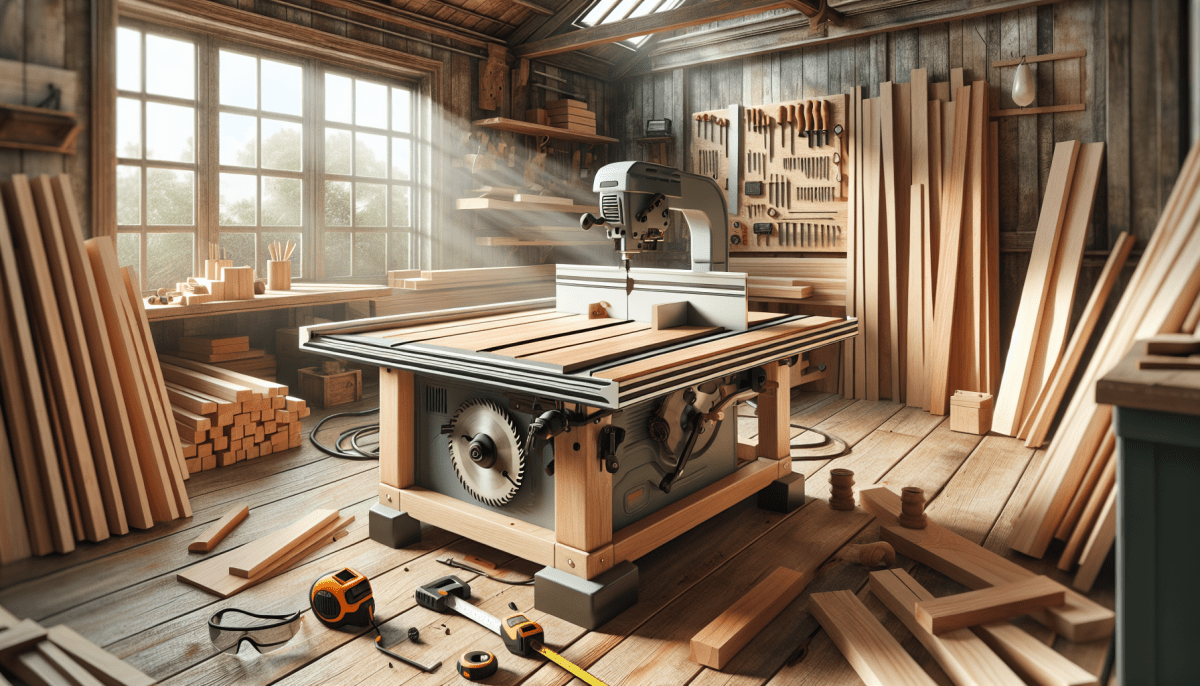
Now, onto the setup. Make sure your table saw is on a stable surface and the blade is at the right height—just a tiny bit above the wood you’re cutting. This helps with both precision and safety. Adjust the fence, which is the guide that helps you make straight cuts. It should be parallel to the blade for the best results.
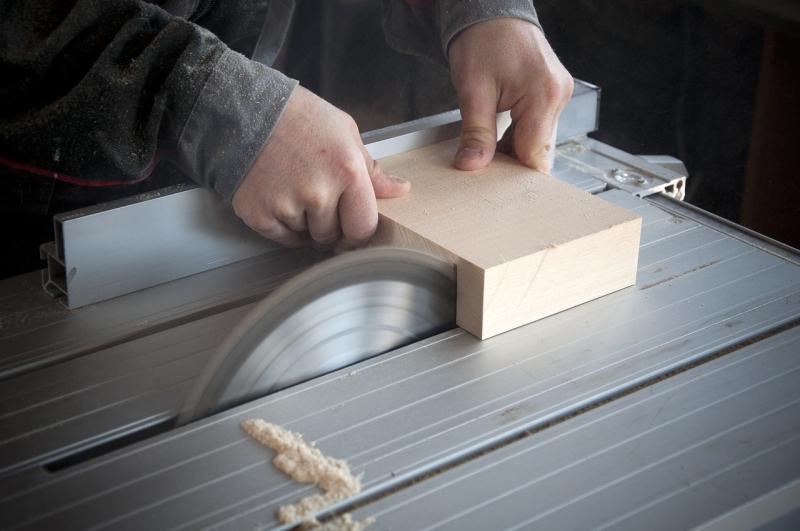
When you’re ready to cut, take it slow. Let the saw do the work; don’t force the wood through. Pay attention to the type of cuts you want to make: crosscuts for cutting across the grain and rip cuts for cutting along the grain. Knowing your cuts will make a big difference in the quality of your work.
Lastly, practice makes perfect! Start with some scrap wood to get comfortable with the tool. The more you use your table saw, the better you’ll understand how it works and what it can do. Before long, you’ll be tackling bigger woodworking projects with confidence.
Choosing the Right Table Saw
One of the biggest factors is the saw's type. You’ve got portable saws, contractor saws, and cabinet saws. Portable saws are great for small spaces and easy to move around. Contractor saws offer a good balance of size and power, perfect for those who want to perform more than just simple cuts. Cabinet saws are heavy-duty, offering precision and stability for serious projects. Think about how much space you have and what feels right for you.
Don’t forget about the motor power and blade size. A saw with a 1.5 to 2 horsepower motor is ideal for most woodworking tasks. For blade size, 10-inch blades are standard and super versatile. They can handle a range of cuts, whether you're ripping or cross-cutting. Make sure you can find blades easily too, as you’ll want to swap them out for different projects.
Safety features are a must. Look for saws with riving knives and blade guards. These help prevent kickback and keep your fingers safe. A well-designed safety system can give you peace of mind, so you can focus on your work instead of worrying about accidents.
Lastly, consider your budget. There's a wide range out there, so keep an eye on what you’re willing to spend. Sometimes, spending a bit more upfront can save you money down the road by avoiding repairs or replacements. Take your time, weigh your options, and you’ll find the perfect table saw to match your woodworking dreams.
Essential Techniques for Precision Cuts
Getting those precision cuts on your table saw is all about mastering some essential techniques. First up, always use a sharp blade. A dull blade pulls and tears at the wood, making it hard to get clean cuts. Investing in a quality blade that fits your needs can make a world of difference.
Next, don’t skip on the setup. Measure twice, cut once isn’t just a saying; it’s a lifesaver. Double-check your measurements and adjust the fence accurately. A properly aligned fence ensures your cuts are straight and reduces the risk of kickback. Plus, it saves you time on re-cuts!
Another tip is to use push sticks and hold-downs. Your hands are your most valuable tools, so keep them safe. Push sticks help guide your wood through the blade without getting too close. Hold-downs can keep your workpiece flat against the table, resulting in cleaner, smoother cuts.
Lastly, practice patience. Rushing through cuts often leads to mistakes. Take your time, and let the saw do its job. As you gain confidence, you’ll find your rhythm and see those precise cuts come easily.
Safety Tips While Using Your Table Saw
Using a table saw can be a game-changer for your woodworking projects, but safety always comes first. Here are some easy tips to keep you safe while you work.
First things first, wear the right gear. Safety glasses are a must to protect your eyes from flying debris. Hearing protection is also a good idea, especially during long cuts. And don't forget about gloves without loose cuffs; they can help grip the wood without risking getting caught in the blade.
Always keep the area around your table saw clean and organized. A clutter-free workspace helps you stay focused and avoids accidents. Make sure to keep your hands and body clear of the blade and never reach over it while it's running. It’s smart to use push sticks or push blocks whenever you’re working with smaller pieces.
Last but not least, never forget to double-check your equipment before getting started. Make sure the blade is sharp and properly aligned. If you notice anything off, fix it first. Regular maintenance can prevent unexpected mishaps and keep your table saw running smoothly.