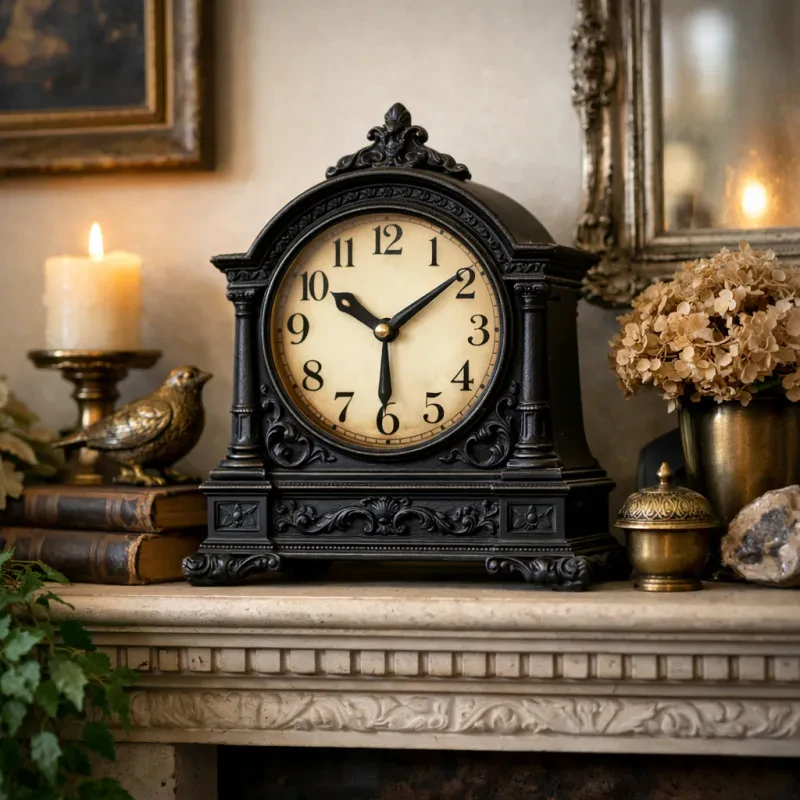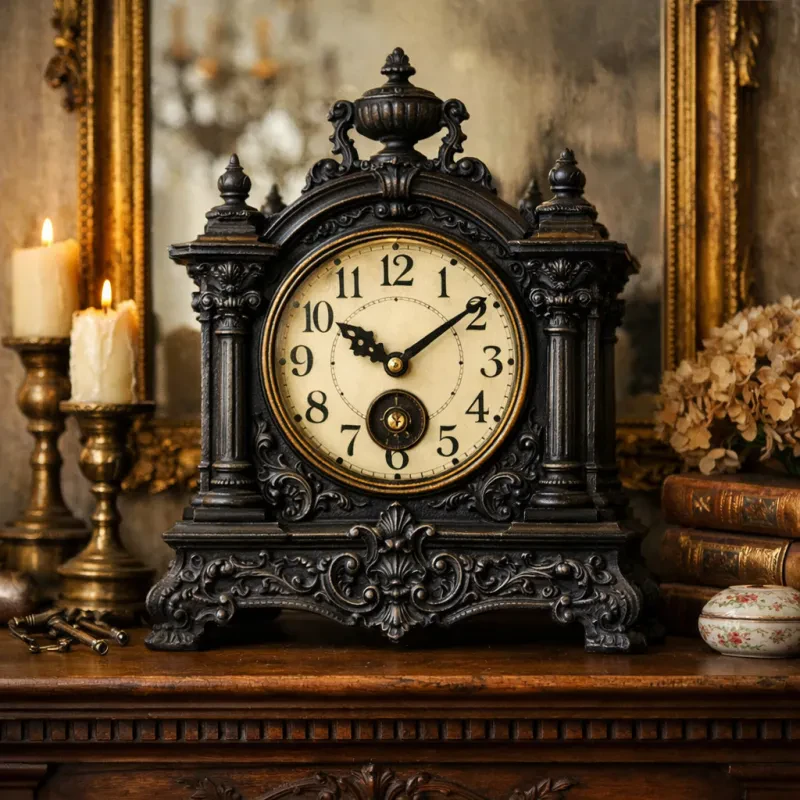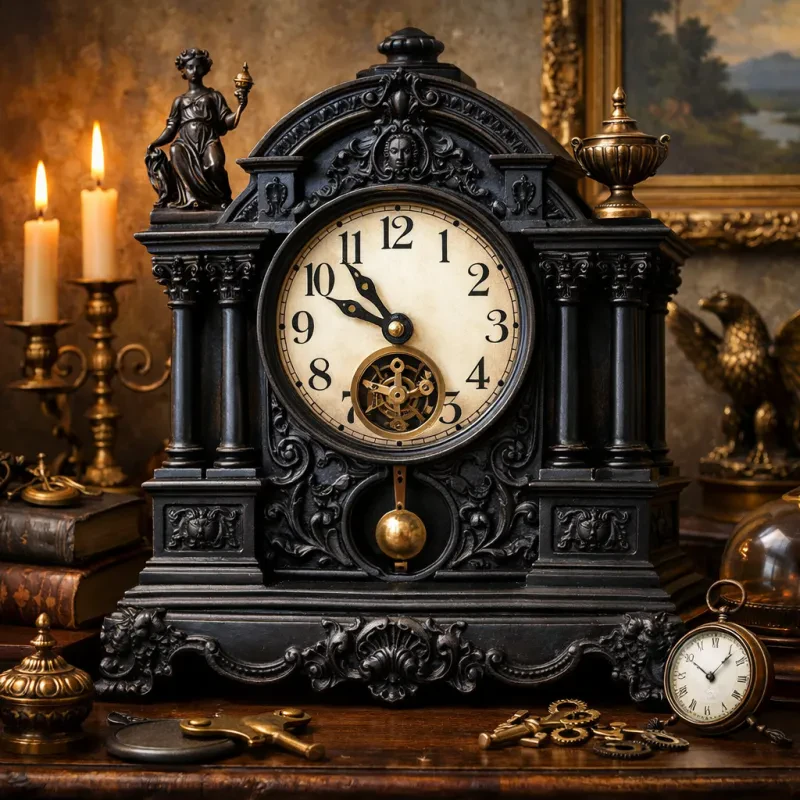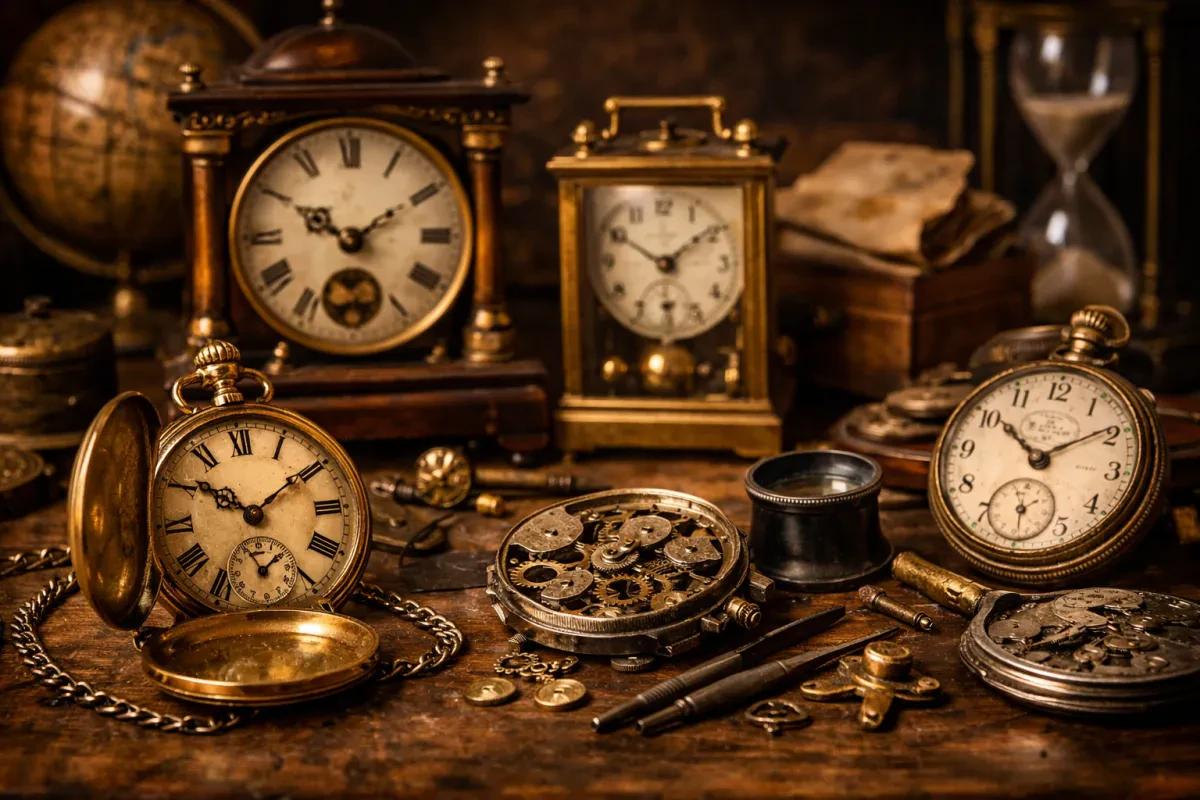
When you think about antique timepieces, it’s like stepping into a time machine. Each piece tells a story, packed with history and craftsmanship. Antique timepieces come from different eras, each with its own unique charm and style. From ornate grandfather clocks to delicate pocket watches, there’s something captivating about how these items reflect the period they were made in.
The origins of these stunning pieces date back to the 13th century when timekeeping started to evolve. Early clocks were large and often found in town squares, announcing the hour for everyone. As technology advanced, people began creating smaller, portable options. The pocket watch made its debut, and it quickly became a status symbol for the wealthy. Imagine carrying around a finely made timepiece, a true reflection of elegance and engineering.
With the rise of industrialization, mass production changed the game. Timepieces became more accessible, bringing beautiful designs to a broader audience. But it’s the handcrafted pieces that really hold the magic. Each antique timepiece showcases the craftsmanship of its maker, with intricate details that you just can’t find in modern versions. That’s why understanding antique timepiece history and value can really enhance your appreciation for these treasures.
From the styles that shaped fashion to the mechanics that inspired future designs, the journey through antique timepiece history is fascinating. Whether you’re collecting or just curious, each piece carries a slice of history that makes it special. So, next time you see an antique clock or watch, take a moment to appreciate where it fits in the grand timeline of timekeeping. It’s more than just a timepiece; it’s a glimpse into the past.
Learn the Evolution of Timekeeping Devices
Timekeeping has come a long way. From simple sundials used by ancient civilizations to the intricate mechanical clocks of the past, the evolution of timekeeping devices is fascinating. Each leap in technology reflects not just a need to measure time, but a desire to connect people and events more meaningfully. Understanding antique timepiece history and value opens a window into how our perception of time has transformed.
Initially, humans relied on nature to track time. The sun's position guided farmers and travelers alike. Eventually, inventions like water clocks and hourglasses emerged, providing a bit more accuracy. The first true mechanical clocks appeared in the 13th century, revolutionizing how we measured time. These clocks marked the beginning of a new era—people could now rely on consistent timekeeping, paving the way for modern society.
As we moved into the 17th and 18th centuries, timepieces became highly decorative and sought after. Craftsmen made stunning pocket watches and tall case clocks adorned with intricate designs. These antiques showcase not just the artistry of their makers but also the advancements in technology and materials used. Knowing about antique timepiece history and value helps collectors appreciate these pieces even more.
Fast forward to the 19th and 20th centuries, when mass production changed the game. Suddenly, clocks were everywhere, from homes to public squares. Trends shifted, with electric clocks and quartz movements taking center stage. But even with the rise of these modern timekeepers, the charm of antique pieces remains strong. Today, collectors and enthusiasts often seek out vintage watches or mantel clocks because they tell a story—a peek into the past.
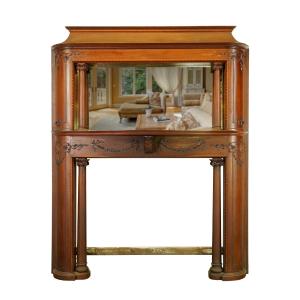
Victorian Full Size Antique Mantel and Mirror
Transform your living space with this stunning Victorian mantel and mirror set that adds timeless elegance and charm
Product information
$3,500.00
Product Review Score
4.39 out of 5 stars
142 reviewsProduct links
Uncover How to Value Antique Clocks
When diving into the world of antique clocks, you might find it a bit tricky to figure out their value. The truth is, a lot goes into how much these charming timepieces are worth. Knowing what to look for can really help you out.
Start with the brand and model. Certain makers, like Tiffany or Gustav Becker, often fetch a higher price because they’re well-respected in the collector community. Also, the model can play a big role; some designs are more popular than others.
Next, consider the condition. A clock that’s in great shape, with all its original parts, usually holds more value. If there are any repairs or missing pieces, this may lower the price. Plus, the age of the clock matters—a long history can boost its value, but don’t forget that even newer models can be valuable if they’re rare.
The antique timepiece history and value are also affected by market trends. Keep an eye on what similar clocks sell for at auctions and online to gauge what buyers are willing to pay. This can really help you understand where your clock stands in the market.
Finally, documenting the clock's history is key. If you have any provenance, such as previous owners or its original purchase receipt, this can add to its value. Collectors love a good story, and a clock with a rich background can be even more appealing.
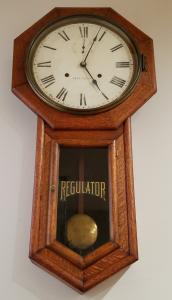
Antique Seth Thomas World Regulator Wall Clock
A stunning piece that brings vintage charm and precise timekeeping to your home
Product information
$575.00
Product Review Score
4.14 out of 5 stars
190 reviewsProduct links
Tips for Collecting Antique Timepieces
Collecting antique timepieces can be an exciting adventure. Whether you're drawn to elegant pocket watches or classic wall clocks, each piece has its own story. Here are some tips to help you dive into the world of vintage timepieces and discover their history and value.
First, do some homework. Start by learning about different types of antique timepieces, their makers, and the eras they come from. Researching brands like Elgin, Waltham, and Patek Philippe can help you recognize quality. Look for common signs of authenticity, including unique markings and design elements.
Condition matters a lot. When looking at potential purchases, inspect the mechanism and the exterior. Check for rust, scratches, or any signs of damage. A well-maintained timepiece is likely to hold its value better and can even appreciate over time. Don’t be afraid to ask about service history or any repairs it has undergone.
Build relationships with dealers and other collectors. Join online forums or local clubs to connect with fellow enthusiasts. These connections can provide invaluable insights and tips on where to find the best antique timepieces. Plus, you can learn about market trends and what makes certain pieces valuable.
Lastly, trust your instincts. If you find a timepiece that speaks to you, consider adding it to your collection. The joy of collecting comes not just from owning valuable pieces but from the stories and memories they bring. Enjoy the journey of discovering antique timepiece history and value, and happy hunting!