Restoring antique mantels can feel overwhelming, but it’s totally doable! With just a little time and patience, you can transform an old piece into a stunning focal point for your room. Here’s a simple guide to get you started on restoring antique mantels.
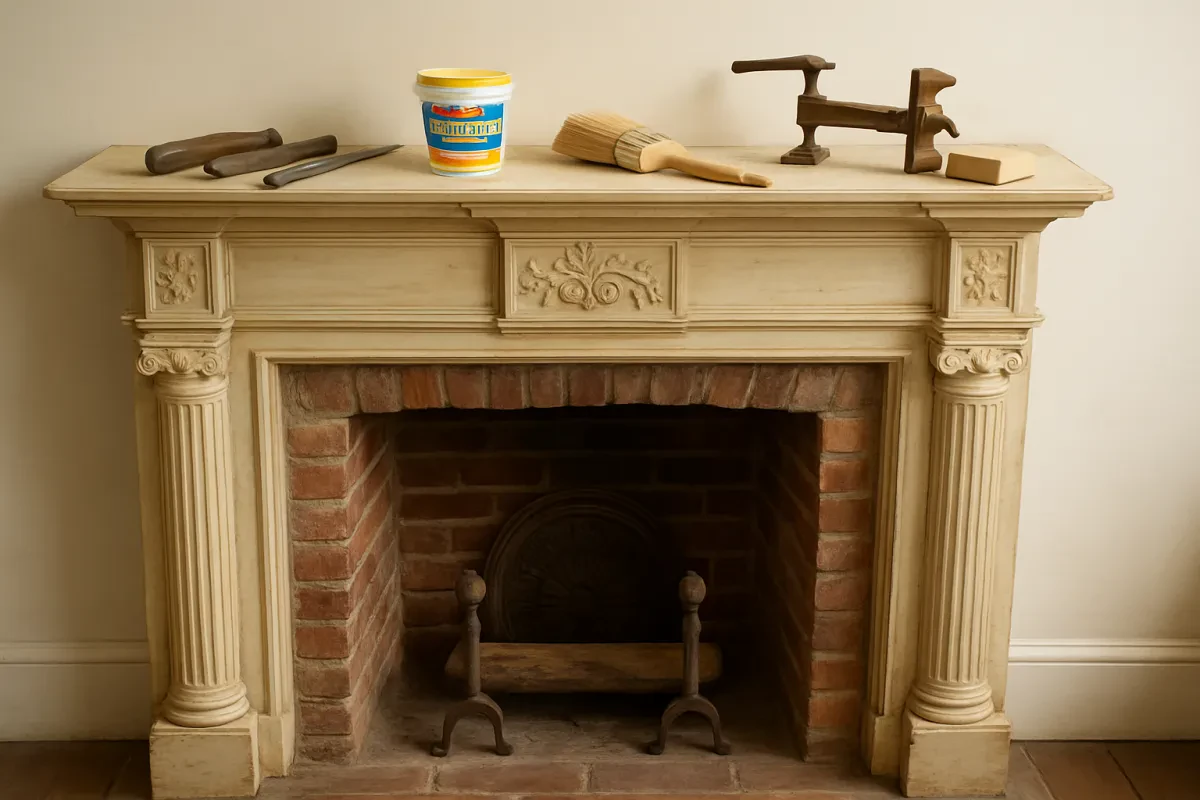
First things first, gather your tools. You’ll need sandpaper, a soft cloth, wood glue, and some finishes like stain or paint if you want to change the color. Don't forget safety gear like gloves and a mask, especially if you're dealing with old paint that might contain lead.
Next, inspect your mantel closely. Look for any cracks, loose joints, or chips. Tighten up any loose pieces with wood glue and let it dry. If there are scratches or old paint, gently sand those areas with sandpaper. This step helps reveal the beautiful wood underneath and makes everything smooth.
Once you’ve done the prep work, it’s time to add your finish. Whether you want to showcase the natural wood or give it a new look with paint or stain, make sure to apply it evenly. If you’re staining, you might want to do a test patch first to see how the wood reacts. This is your chance to get creative!
Lastly, let everything dry completely before putting your mantel back in place. Once it’s all set, find the perfect spot for it in your home. Enjoy the beauty of your restored antique mantel—it’s like bringing a piece of history into your space! Restoring antique mantels can be fun and rewarding.
Essential Tools You’ll Need for Restoration
Getting into restoring antique mantels? Awesome choice! Before you dive in, make sure you have the right tools on hand. This will save you time, effort, and a lot of headaches down the road. Here’s a straightforward list of essential tools you’ll need for restoring antique mantels.
First up, a good set of screwdrivers. You’ll want both flathead and Phillips models in various sizes. Antique mantels often have older screws that can be tricky to deal with, so having a few different options can really help. Next, consider a pry bar. This tool is perfect for gently removing old, stuck parts without causing damage.
Don’t forget your measuring tape. Accurate measurements are key when restoring antique mantels, especially if you’re planning to replace any pieces. A level is also crucial, helping you ensure that everything is aligned perfectly once you start putting things back together.
Finally, grab some sandpaper and wood glue. Sandpaper helps in smoothing out rough spots, giving your mantel that polished look. Wood glue is essential for fixing joints and ensuring that everything stays put. These simple tools can make a big difference in your restoration journey. With these essentials, you’ll be all set for restoring antique mantels efficiently and effectively!
Tips for Choosing the Right Finish
Choosing the right finish can make a huge difference when you're restoring antique mantels. It’s all about enhancing the natural beauty of the wood while protecting it from wear and tear. Start by considering the original finish. If you’re working with an antique, you want something that matches its character.
Look at the type of wood your mantel is made from. Different woods absorb finishes differently. Softwoods like pine can soak up colors and stains, while hardwoods like oak might need a more tailored approach. Testing a small patch first is always a smart move. This way, you can see how the finish interacts with the wood before committing.
Think about the look you want to achieve. A glossy finish might bring out the richness of the grain, while a matte or satin finish can give a more rustic touch. If you want to stay true to the mantel’s original charm, consider using a clear finish to preserve the wood's natural look. Don’t forget about durability; some finishes are better at standing up to heat and moisture than others, which is key for a mantel.
Finally, don’t rush the process. Restoring antique mantels is about preserving history, so take the time to find the right finish that suits the style and condition of your mantel. Taking these steps will help you create a stunning centerpiece that feels just right in your home.
Common Mistakes to Avoid When Restoring
When you're diving into restoring antique mantels, it’s easy to make a few missteps if you're not careful. Here’s a heads-up on common mistakes that could throw a wrench in your plans.
First off, don’t rush the process. Restoring antique mantels takes patience. Jumping into things without a clear plan can lead to hasty decisions. Take your time to assess the condition of the mantel and gather the right tools and materials before you start. A little pre-planning goes a long way.
Another biggie is using the wrong cleaning products. Many people think all cleaners are safe, but some can damage the wood or finishes. Stick to gentle, natural cleaning solutions to avoid harming the surface. You want to enhance the mantel’s beauty, not ruin it.
Also, be careful with paint or stain. It’s tempting to freshen up an antique mantel with modern colors, but this could ruin its character. Often, it’s best to embrace the original finish or use stains that match the historical aesthetic. When restoring antique mantels, keeping it authentic pays off.
Lastly, don’t overlook the importance of the hardware. Hinges, pulls, and decorations are part of what makes an antique mantel special. Inspect these pieces closely and consider cleaning or replacing them with similar styles to keep the original charm intact.